
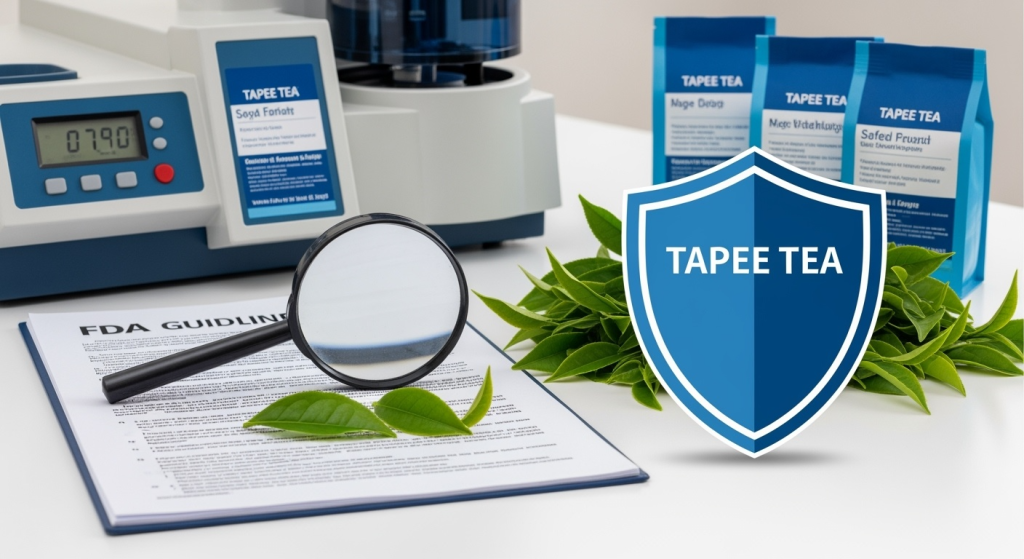
As Tapee Tea gains popularity worldwide, questions about its safety, purity, and regulatory status naturally arise. Understanding these important considerations helps consumers make informed decisions and ensures they experience the traditional benefits of this ancient Thai herbal blend safely and effectively.
The Foundation of Herbal Safety: Traditional Use History
Tapee Tea’s safety profile begins with its extraordinary history of traditional use. For over 1,000 years, the herbs comprising authentic Tapee Tea formulations have been consumed safely by countless individuals throughout Thailand and Southeast Asia. This extensive traditional use provides valuable real-world safety data that modern regulatory frameworks recognize as significant evidence.
However, the safety of any herbal product depends critically on proper sourcing, preparation, and quality control measures. Traditional use history only applies to authentic formulations prepared according to established methods using properly identified and processed herbs.
Understanding FDA Regulations for Herbal Products
The U.S. Food and Drug Administration (FDA) regulates herbal teas and supplements under the Dietary Supplement Health and Education Act (DSHEA). Under this framework, herbal products are considered dietary supplements rather than medications, which means they are subject to different regulatory requirements than pharmaceutical drugs.
The FDA requires that dietary supplement manufacturers ensure their products are safe and that any claims made about the products are substantiated by adequate evidence. However, unlike medications, herbal supplements do not require pre-market approval for safety and efficacy.
This regulatory approach places significant responsibility on consumers to choose reputable manufacturers who follow good manufacturing practices and maintain high quality standards.
The Critical Issue of Product Contamination
Unfortunately, the growing popularity of traditional herbal remedies has attracted unscrupulous manufacturers who compromise safety by adding undisclosed pharmaceutical ingredients to herbal products. This practice poses serious health risks and undermines the integrity of traditional herbal medicine.
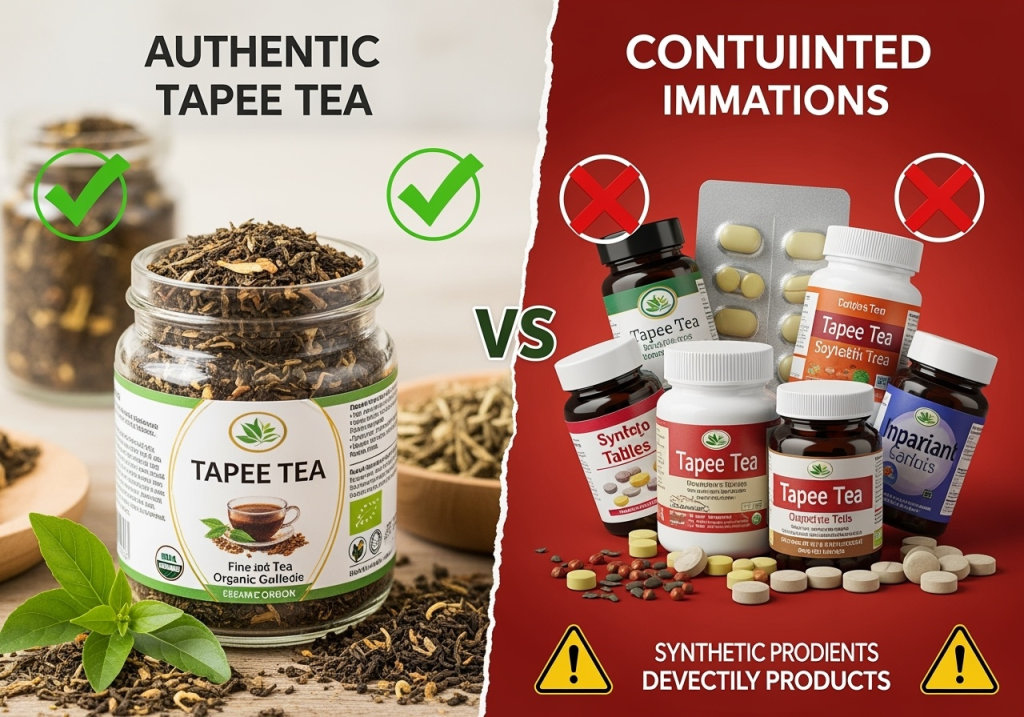
In 2023, the FDA issued warnings about certain products marketed as “Tapee Tea” that contained hidden pharmaceutical drugs including dexamethasone (a steroid) and piroxicam (a non-steroidal anti-inflammatory drug). These adulterants can cause serious side effects and dangerous drug interactions, especially when consumed unknowingly.
This contamination issue highlights the critical importance of choosing authentic Tapee Tea from reputable sources that maintain strict quality control standards and provide transparency about their ingredients and manufacturing processes.
Identifying Authentic, Pure Tapee Tea
Authentic Tapee Tea should contain only the traditional 15 herbs specified in original formulations, with no added pharmaceutical ingredients, synthetic compounds, or undisclosed additives. Reputable manufacturers will provide complete ingredient lists and may offer certificates of analysis documenting the purity of their products.
Several key indicators can help identify authentic, safe Tapee Tea products:
Complete Transparency: Legitimate manufacturers provide detailed ingredient lists, sourcing information, and manufacturing details. They should be willing to discuss their quality control processes and provide documentation when requested.
Traditional Formulation: Authentic Tapee Tea follows traditional recipes using the specified 15 herbs in appropriate proportions. Products that claim miraculous or pharmaceutical-like effects may contain undisclosed additives.
Realistic Claims: Traditional herbal products support wellness over time through regular use. Products making dramatic immediate-effect claims should be viewed with suspicion.
Proper Labeling: Legitimate products include comprehensive labeling with ingredient lists, manufacturer information, and appropriate disclaimers about intended use.
Understanding Natural Herb Safety Considerations
Even authentic, pure herbal products can cause adverse reactions in certain individuals. Understanding these natural safety considerations helps ensure safe consumption:
Allergic Reactions: Individuals with known allergies to any of the 15 herbs in Tapee Tea should avoid consumption. Those with multiple plant allergies should consult healthcare providers before trying new herbal products.
Drug Interactions: While traditional herbs are generally gentler than pharmaceutical drugs, they can still interact with medications. Herbs like ginseng may interact with blood-thinning medications, diabetes drugs, and certain other pharmaceuticals.
Pregnancy and Nursing: Pregnant and nursing women should consult healthcare providers before consuming herbal products, as some herbs may not be appropriate during these periods.
Existing Medical Conditions: Individuals with serious medical conditions should discuss herbal supplement use with their healthcare providers to ensure compatibility with their treatment plans.
Quality Manufacturing and Testing Standards
Safe Tapee Tea production requires adherence to good manufacturing practices (GMP) and comprehensive quality testing. Reputable manufacturers implement multiple safety measures:
Raw Material Testing: Each herb batch should be tested for identity, purity, and contaminants including heavy metals, pesticides, and microbial contamination.
Manufacturing Controls: Proper manufacturing facilities maintain clean environments, accurate measuring systems, and contamination prevention protocols.
Finished Product Testing: Final products should be tested to verify ingredient accuracy and absence of contaminants or adulterants.
Third-Party Verification: Some manufacturers use independent laboratories to verify their testing results and provide additional credibility.
Safe Consumption Guidelines
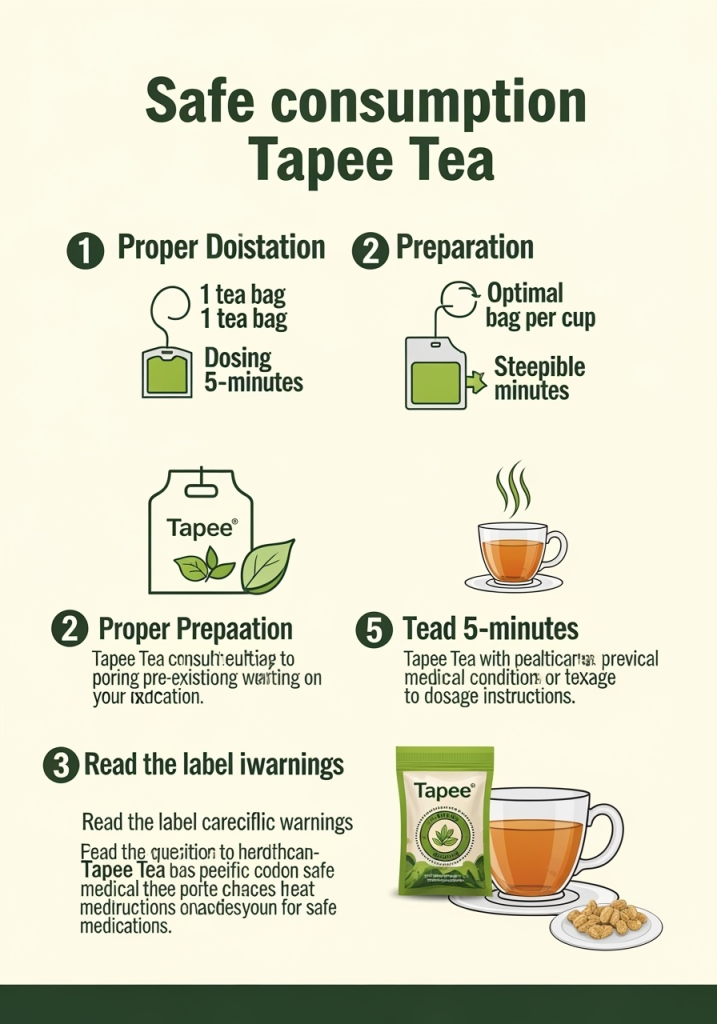
When consuming authentic, pure Tapee Tea, following traditional preparation and consumption guidelines promotes safety and effectiveness:
Proper Preparation: Use recommended proportions (typically one tea bag or equivalent loose herbs per cup) and steeping times (3-5 minutes) to ensure appropriate concentration.
Gradual Introduction: Begin with smaller amounts to assess individual tolerance, especially for those new to herbal products.
Consistent Quality: Stick with reputable suppliers whose products you’ve used successfully rather than frequently switching brands.
Monitor Response: Pay attention to how your body responds and discontinue use if any unexpected reactions occur.
When to Consult Healthcare Providers
Certain circumstances warrant consultation with healthcare providers before using Tapee Tea or any herbal supplement:
Anyone taking prescription medications should discuss potential interactions with their pharmacist or physician. Individuals with chronic health conditions, especially those affecting the liver, kidneys, or cardiovascular system, should seek professional guidance. Those scheduled for surgery should inform their healthcare providers about herbal supplement use, as some herbs may affect anesthesia or blood clotting.
The Role of Consumer Education
Ultimately, herbal product safety depends significantly on informed consumer choices. The National Center for Complementary and Integrative Health provides valuable resources for understanding supplement safety and making informed decisions about herbal products.
Education about traditional uses, proper preparation methods, and quality indicators empowers consumers to experience the benefits of traditional herbal medicine while avoiding potential risks associated with contaminated or improperly prepared products.
Building Confidence Through Knowledge
Understanding safety considerations shouldn’t discourage exploration of traditional herbal remedies like Tapee Tea. Instead, this knowledge provides the foundation for safe, informed use of these valuable wellness tools. When sourced from reputable suppliers and used according to traditional guidelines, authentic Tapee Tea can be a safe and beneficial addition to a balanced wellness routine.
The key lies in choosing quality products from transparent manufacturers, understanding individual health considerations, and maintaining realistic expectations about herbal wellness support. With proper knowledge and careful selection, consumers can safely explore the time-tested benefits of this remarkable traditional Thai herbal blend.