
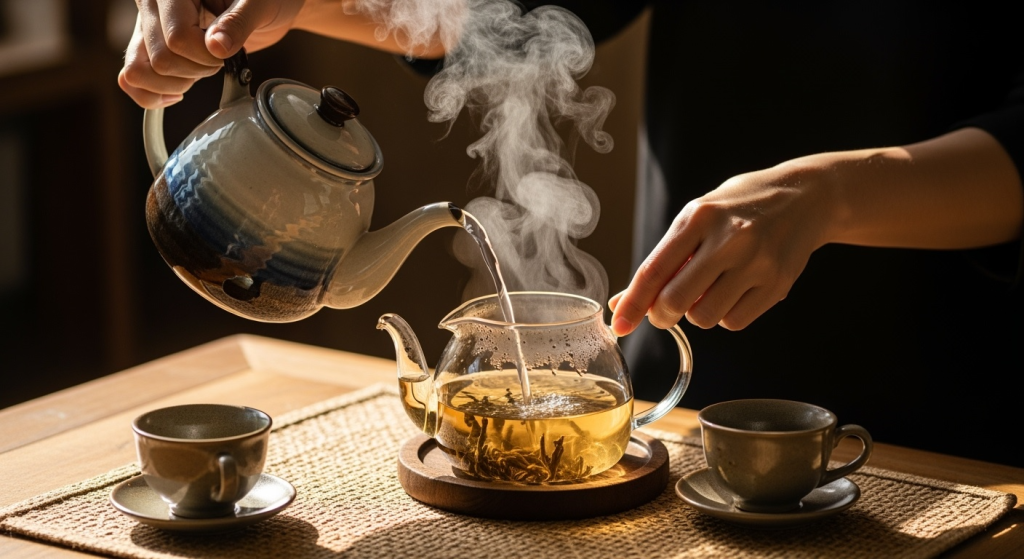
The art of brewing Tapee Tea extends far beyond simply steeping herbs in hot water. Traditional Thai preparation methods, refined over centuries, transform the sacred 15-herb blend into a therapeutic elixir that maximizes both flavor and wellness benefits. Understanding these time-honored techniques, alongside modern adaptations, ensures every cup delivers the full potential of this remarkable herbal tea.
The Foundation: Understanding Your Tapee Tea
Before exploring brewing methods, it’s essential to understand the form of Tapee Tea you’re working with. Authentic preparations come in several formats, each requiring slight adjustments to brewing technique:
Traditional Loose Herbs require the most careful attention to measurement and straining, but offer the fullest flavor experience and maximum control over strength. Pre-measured Tea Bags provide convenience while maintaining authenticity, with herbs already proportioned for optimal brewing. Fine-Ground Powder dissolves more readily but requires careful attention to prevent over-extraction.
The quality and freshness of your Tapee Tea significantly impact the final result. Authentic blends should have a complex, earthy aroma with distinct notes from the various herbs. Fresh herbs will release their beneficial compounds more readily than aged ones, so proper storage in cool, dry conditions away from direct sunlight helps maintain potency.
Traditional Thai Brewing: The Ancient Way
Traditional Thai preparation of Tapee Tea follows a ritualistic approach that honors both the herbs and the healing intention behind their use. This method, passed down through generations of healers, emphasizes mindfulness and respect for the botanical wisdom being accessed.
The traditional process begins with water preparation. Authentic methods call for pure, filtered water heated to precisely 185-195°F (85-90°C). This temperature range is crucial—too hot, and delicate compounds may be destroyed; too cool, and extraction remains incomplete. Traditional healers judge temperature by observing the water’s behavior: small bubbles forming on the bottom indicate the ideal range.
Measurement precision forms another cornerstone of traditional brewing. For loose herbs, the standard proportion is one heaping teaspoon (approximately 3-4 grams) per 8 ounces of water. This ratio has been refined over centuries to provide optimal therapeutic benefit without overwhelming the palate. When using authentic pre-portioned tea bags, one bag per cup maintains this traditional ratio.
The steeping ritual itself requires patience and attention. Traditional practitioners place the herbs in the brewing vessel first, then pour the heated water in a slow, circular motion to ensure even saturation. The steeping time of 4-6 minutes allows full extraction of beneficial compounds while preventing excessive tannin release that could create bitterness.
During steeping, traditional method calls for covering the brewing vessel to retain heat and prevent the escape of volatile oils that contribute to both aroma and therapeutic effect. Some traditional healers gently stir the tea once after 2-3 minutes to encourage circulation and even extraction.
Modern Convenience Methods
Contemporary lifestyles demand adaptations that maintain traditional effectiveness while fitting into busy schedules. Several modern brewing methods honor traditional principles while offering practical convenience.
The Quick-Steep Method reduces brewing time to 2-3 minutes by using slightly hotter water (195-200°F) and gentle agitation. This technique works well for those seeking a lighter, more refreshing cup or when time constraints prevent full traditional brewing.
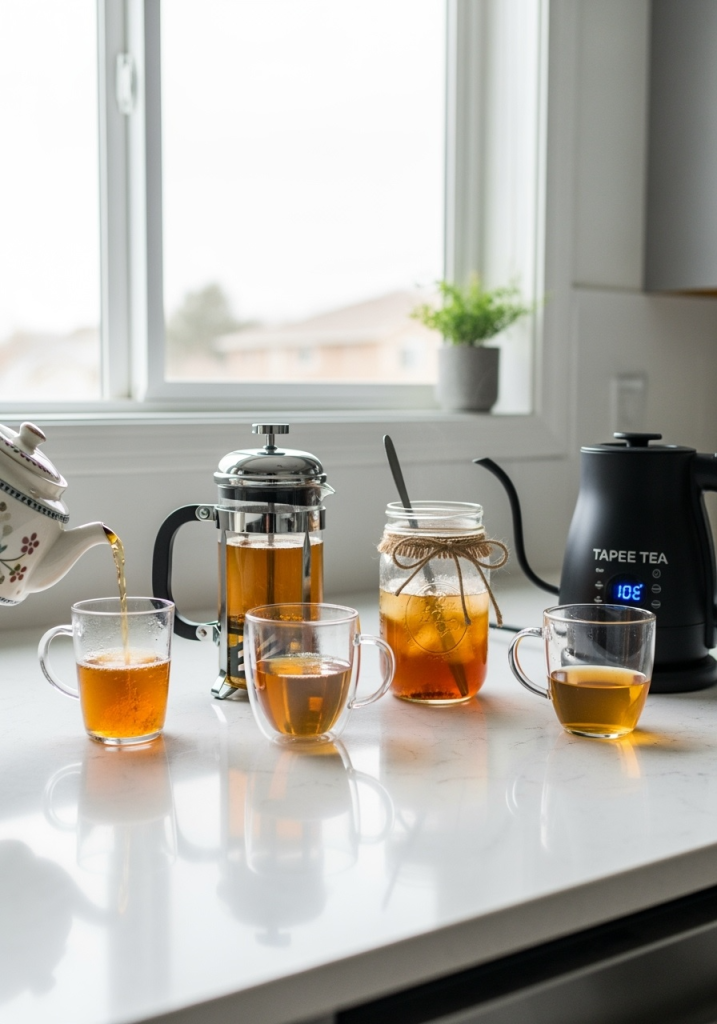
Cold Brewing represents a fascinating modern adaptation that produces a completely different flavor profile. Using room temperature or cold water, steep Tapee Tea for 6-12 hours in the refrigerator. This method extracts different compounds than hot brewing, creating a naturally sweet, less astringent beverage perfect for warm weather consumption.
French Press brewing offers excellent control and full immersion extraction. Use the traditional herb-to-water ratio, steep for 4-5 minutes, then slowly press the plunger to separate the herbs. This method provides robust flavor and easy cleanup while maintaining brewing precision.
Water Quality: The Invisible Ingredient
Water comprises over 99% of brewed tea, making its quality paramount to the final result. Traditional Thai healers understood this principle, often traveling to specific springs or wells known for producing exceptional tea water.
Mineral content significantly affects both flavor and herb extraction. Soft water (low mineral content) can produce flat-tasting tea, while very hard water may inhibit proper extraction and create off-flavors. Ideally, water should have moderate mineral content—enough to support proper extraction without overwhelming the delicate herbal flavors.
Chemical treatments in municipal water supplies can interfere with both taste and the therapeutic compounds in Tapee Tea. Chlorine, in particular, can react with herbal compounds and create unpleasant flavors. Simple carbon filtration removes most chlorine while preserving beneficial minerals.
pH levels between 6.0 and 8.0 work best for herbal tea extraction. Water that’s too acidic or alkaline can affect how the herbs release their compounds and may alter the tea’s natural pH balance, potentially affecting its traditional therapeutic properties.
Temperature Mastery: The Critical Variable
Achieving optimal brewing temperature separates good Tapee Tea from exceptional cups. Different compounds extract at different temperatures, and understanding this principle allows for customization based on desired effects and flavor preferences.
Traditional Range (185-195°F) provides balanced extraction of both therapeutic compounds and flavor elements. This temperature range has been refined through centuries of use and represents the sweet spot for most brewing situations.
Higher Temperatures (200-212°F) extract more tannins and bitter compounds while potentially degrading heat-sensitive vitamins and aromatic oils. However, this range might be appropriate for those seeking maximum extraction of certain therapeutic compounds or when brewing time is limited.
Lower Temperatures (175-185°F) preserve delicate aromatic compounds and create gentler, sweeter flavors. This approach works well for evening consumption or for those sensitive to stronger herbal flavors.
Timing Perfection: When to Stop
Proper timing prevents over-extraction while ensuring full therapeutic benefit. Traditional timing guidelines have been refined through generations of practical experience and represent optimal balance points for most situations.
First Minute begins the initial release of volatile oils and aromatic compounds. The water takes on color and begins developing characteristic Tapee Tea fragrance.
2-3 Minutes marks the primary extraction phase, where most therapeutic compounds begin releasing into the water. Flavor develops complexity as different herbs contribute their unique characteristics.
4-6 Minutes represents the traditional optimal range, providing full extraction without excessive tannin release. Most beneficial compounds have been extracted, and flavor reaches peak balance.
Beyond 6 Minutes risks over-extraction, potentially creating bitterness and astringency that masks the tea’s natural harmony. Some therapeutic compounds may continue extracting, but the trade-off in flavor quality generally isn’t worthwhile.
Enhancing the Experience: Traditional Additions
While Tapee Tea offers complete flavor and therapeutic benefits on its own, traditional Thai medicine recognizes certain additions that can complement and enhance the experience without compromising the herbs’ integrity.
Raw Honey represents the most traditional sweetener, adding minerals and potential antimicrobial properties while enhancing the tea’s natural warming qualities. Add honey after brewing to preserve its beneficial enzymes.
Fresh Lemon or Lime provides vitamin C and can enhance the absorption of certain compounds from the herbs. The citrus also adds brightness that balances the earthy herbal flavors.
Fresh Ginger Slices complement the existing ginger in the blend while adding extra warming properties. This addition is particularly popular during cooler weather or when seeking enhanced digestive support.
Storage and Reuse: Maximizing Value
Properly prepared Tapee Tea can be stored and reused in ways that extend its value while maintaining quality and safety.
Hot Storage in a thermal carafe maintains temperature and flavor for 2-3 hours, allowing multiple servings from a single brewing session. Avoid keeping brewed tea hot for extended periods, as this can concentrate tannins and create bitterness.
Cold Storage in the refrigerator preserves brewed tea for 24-48 hours. Cold Tapee Tea offers a refreshing alternative and can be reheated gently or enjoyed chilled.
Second Brewing of the same herbs can produce a lighter, more delicate cup. Use the same temperature but reduce steeping time to 2-3 minutes for this second extraction.
Understanding these traditional and modern brewing methods empowers you to create the perfect cup of Tapee Tea for any situation, ensuring you receive the full benefits of this remarkable traditional Thai herbal blend while enjoying an exceptional flavor experience.