
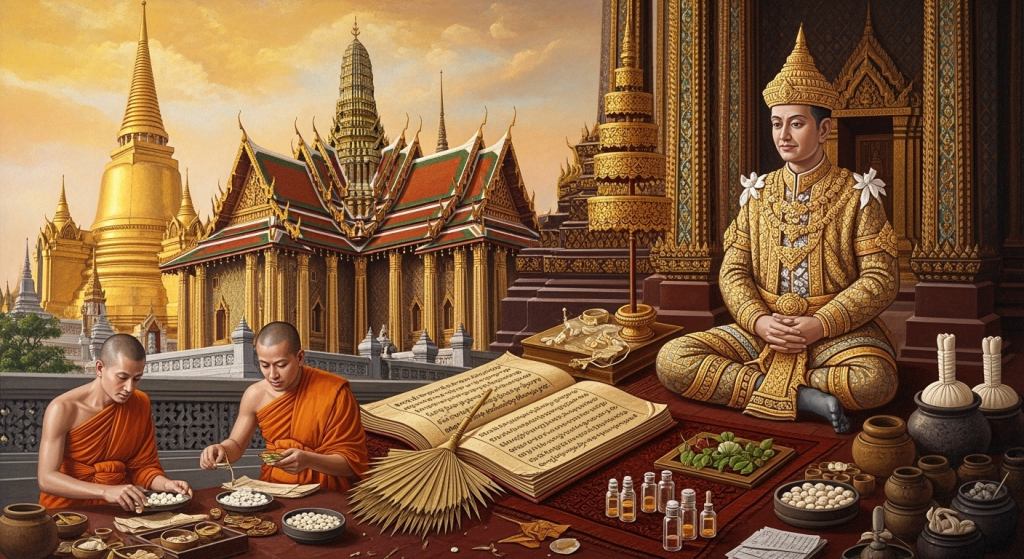
Deep in the ancient royal libraries of Thailand, palm leaf manuscripts tell the story of Tapee Tea—a remarkable herbal blend that has been supporting wellness and vitality for over a millennium. This extraordinary beverage represents not just a traditional remedy, but a living connection to Thailand’s rich heritage of botanical wisdom and holistic healing practices.
The Origins: Royal Courts and Sacred Healing
The earliest documented references to Tapee Tea trace back to the Sukhothai Kingdom (1238-1438 CE), where royal physicians developed sophisticated herbal formulations for the Thai nobility. These early healers, known as “mor ya samoonprai,” combined indigenous plant knowledge with influences from Ayurvedic medicine brought by Indian traders and Chinese traditional medicine introduced through maritime commerce.
Legend holds that the original Tapee Tea formula was created for King Ramkhamhaeng the Great, who sought a daily wellness beverage that would maintain his strength and vitality during the demanding tasks of ruling an expanding kingdom. The royal physicians spent years perfecting a blend that balanced 15 sacred herbs, each chosen for its unique contribution to overall well-being.
The name “Tapee” itself derives from ancient Khmer and Sanskrit roots, roughly translating to “the divine essence of wellness.” This etymology reflects the reverence with which ancient Thai culture viewed herbal medicine—not merely as treatment for illness, but as a sacred practice for maintaining harmony between body, mind, and spirit.
The Sacred 15: Ancient Wisdom in Botanical Selection
The traditional Tapee Tea formulation represents centuries of accumulated knowledge about Thailand’s indigenous flora. Ancient Thai healers developed sophisticated understanding of how different herbs worked synergistically, creating what they called “the circle of complete wellness.”
Jewel Vine (Derris scandens) served as the foundation herb, revered for its ability to “unlock the joints” and restore natural movement. Ancient texts describe this climbing vine as possessing “the spirit of flexibility,” essential for maintaining physical vitality throughout life.
Black Galangal (Kaempferia parviflora) was considered sacred to Thai warriors and laborers who needed sustained energy without exhaustion. Known as “krachai dam” in Thai, this herb was traditionally reserved for special ceremonies and important undertakings due to its energizing properties.
The remaining thirteen herbs were carefully selected to create what ancient physicians called “the harmony of elements”—balancing heating and cooling properties, supporting different organ systems, and addressing various aspects of wellness from digestion to mental clarity.
Temple Medicine and Monastic Traditions
As Buddhism became deeply rooted in Thai culture, many herbal medicine practices found their way into temple traditions. Buddhist monks, who served as both spiritual guides and healthcare providers for their communities, became guardians of herbal knowledge including Tapee Tea preparation methods.
Wat Pho in Bangkok, famous today for traditional Thai massage, was historically a center for herbal medicine education. Monks at Wat Pho and other prominent temples maintained detailed records of herbal formulations, including precise preparation methods for complex blends like Tapee Tea.
The monastic tradition emphasized the spiritual dimension of herbal medicine, viewing the preparation and consumption of healing herbs as acts of mindfulness and connection with nature’s wisdom. This perspective influenced how Tapee Tea was traditionally prepared—with intention, respect, and careful attention to each step of the process.
Village Wisdom and Folk Medicine Evolution
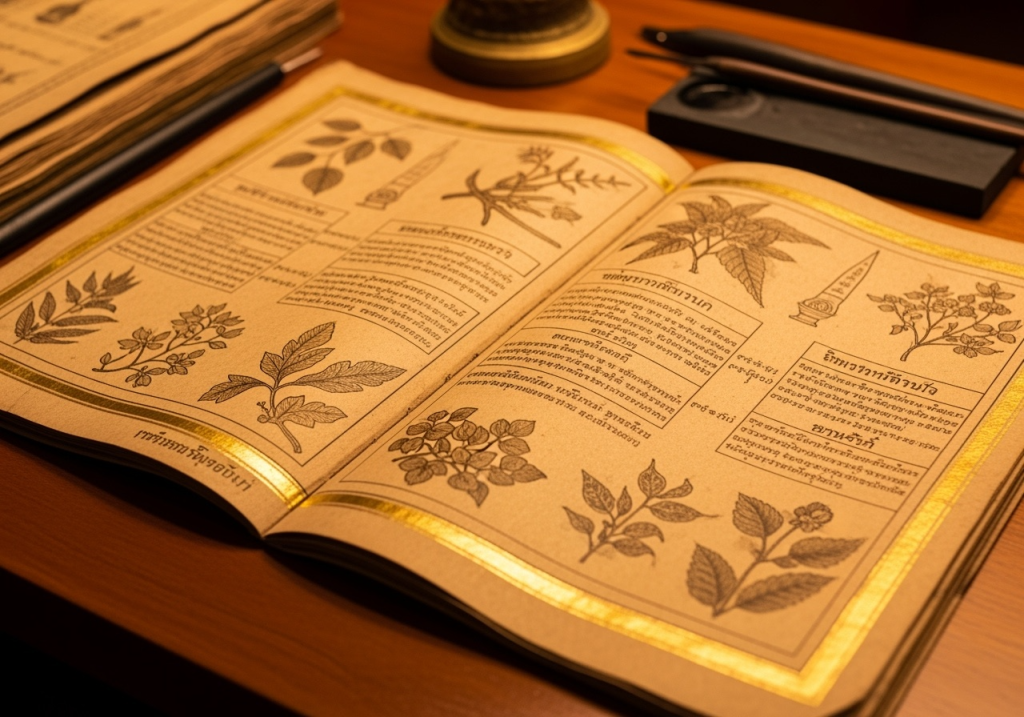
While royal courts and temples preserved formal herbal knowledge, village healers throughout Thailand developed their own regional variations of traditional formulas. Each village’s “mor ya” (traditional healer) might adjust Tapee Tea recipes based on locally available herbs, seasonal considerations, and the specific health needs of their community.
This folk medicine tradition created a living laboratory where Tapee Tea formulations evolved through practical experience. Village healers passed knowledge through apprenticeship systems, ensuring that both the basic formula and local adaptations survived across generations.
The flexibility within traditional Thai medicine allowed for this variation while maintaining core principles. Whether prepared in Northern mountain villages or Southern coastal communities, authentic Tapee Tea maintained its essential character and therapeutic intentions.
Colonial Period and Knowledge Preservation
During the colonial period of the 19th and early 20th centuries, traditional Thai medicine faced significant challenges as Western medical practices gained prominence. However, the Thai monarchy’s commitment to preserving national cultural heritage helped maintain traditional healing practices including Tapee Tea preparation.
King Chulalongkorn (Rama V) and his successors supported efforts to document traditional medical knowledge, resulting in the compilation of important texts that preserved ancient formulations. These royal initiatives ensured that knowledge of traditional herbal blends like Tapee Tea survived the colonial period’s emphasis on Western medicine.
Traditional healers also played a crucial role during this period by continuing to serve rural communities where Western medicine was less accessible. Their practical application of traditional formulas like Tapee Tea provided real-world validation of ancient healing principles.
Modern Revival and Scientific Interest
The latter half of the 20th century saw renewed global interest in traditional medicine systems, including Thai herbal practices. This revival was driven by both cultural pride movements within Thailand and growing international recognition of traditional medicine’s potential contributions to modern healthcare.
Research institutions began documenting traditional formulas and studying their bioactive components. Universities in Thailand and internationally started investigating herbs used in traditional blends like Tapee Tea, seeking to understand the scientific basis for their traditional applications.
This modern scientific interest has validated many traditional uses while providing new insights into how ancient formulas like Tapee Tea support wellness. The convergence of traditional knowledge and modern research has strengthened confidence in time-tested remedies.
Traditional Preparation Ceremonies and Cultural Significance
Traditional Tapee Tea preparation was often accompanied by ceremonial elements that reflected its sacred status in Thai culture. Healers would begin preparation with offerings to plant spirits and expressions of gratitude for nature’s healing gifts.
The grinding, measuring, and blending of herbs followed specific protocols designed to maintain the energetic integrity of the plants. Traditional preparation emphasized the importance of intention and mindfulness throughout the process, viewing the healer’s mental state as influential on the final product’s effectiveness.
These ceremonial aspects reflected broader Thai cultural beliefs about the interconnectedness of physical, mental, and spiritual wellness. Tapee Tea was never viewed as merely a physical remedy, but as a holistic support for complete well-being.
Regional Variations and Cultural Adaptation
Different regions of Thailand developed distinct approaches to Tapee Tea preparation while maintaining core formulation principles. Northern Thai healers might emphasize herbs suited to cooler mountain climates, while Southern practitioners incorporated plants adapted to tropical coastal conditions.
These regional variations reflected traditional Thai medicine’s emphasis on adapting treatments to environmental and constitutional factors. The flexibility within traditional practice allowed Tapee Tea to remain relevant across diverse geographic and cultural contexts throughout Thailand.
Legacy and Contemporary Relevance
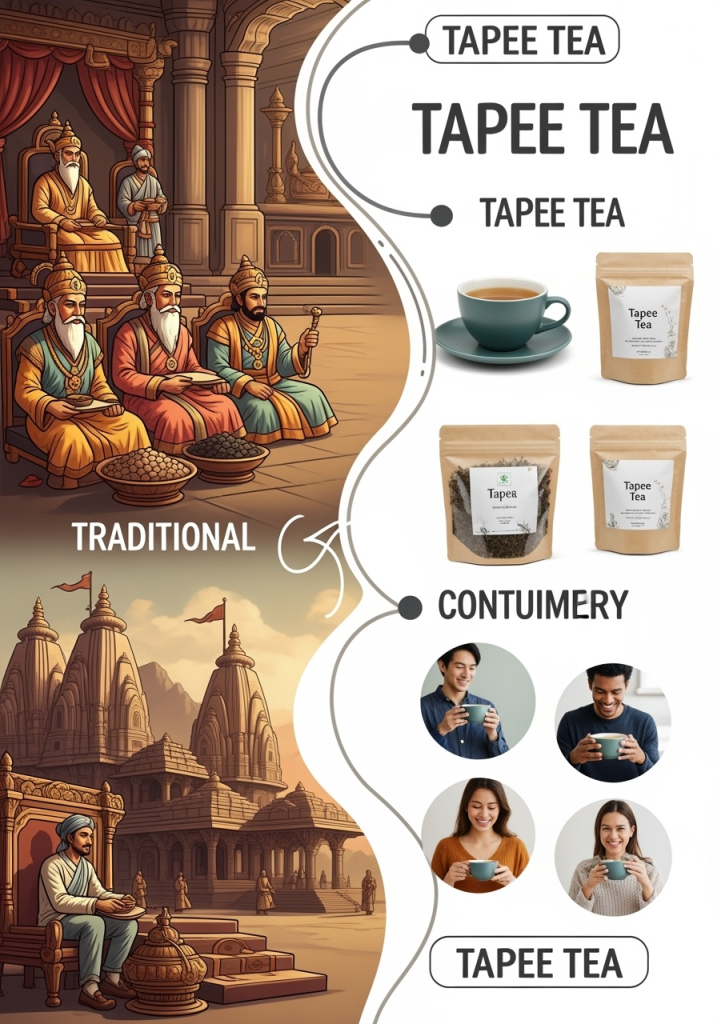
Today’s growing global interest in Tapee Tea represents a remarkable journey from ancient royal courts to modern wellness practices. The fact that this traditional formulation continues to attract attention after more than a millennium speaks to the profound wisdom embedded in traditional Thai healing practices.
Modern practitioners and consumers of Tapee Tea participate in an unbroken chain of knowledge that connects them to generations of healers, monks, and common people who found value in this remarkable herbal blend. Understanding this rich history deepens appreciation for both the complexity of the formulation and the cultural wisdom it represents.
The ancient principles underlying Tapee Tea—holistic wellness, natural balance, and respect for plant wisdom—remain as relevant today as they were in the royal courts of medieval Thailand. This enduring relevance suggests that traditional healing wisdom transcends historical periods and cultural boundaries, offering timeless insights into natural approaches to health and vitality.
For those seeking authentic Tapee Tea experiences, understanding this rich historical context enhances appreciation for the depth of knowledge and cultural significance embedded in every cup of this extraordinary traditional Thai herbal blend at tapeeteastore.com.